July 2026 Heat Recap: Nearly 3,000 Records Fell in Three Heat Waves — and the Biggest Came Last
The East Coast broke records from 1970. Montana broke records from 2002. Then, in the final week, the Southwest reclaimed the crown — Phoenix hit 116.9°F. Here's all of July 2026, counted from our live NOAA records pipeline.
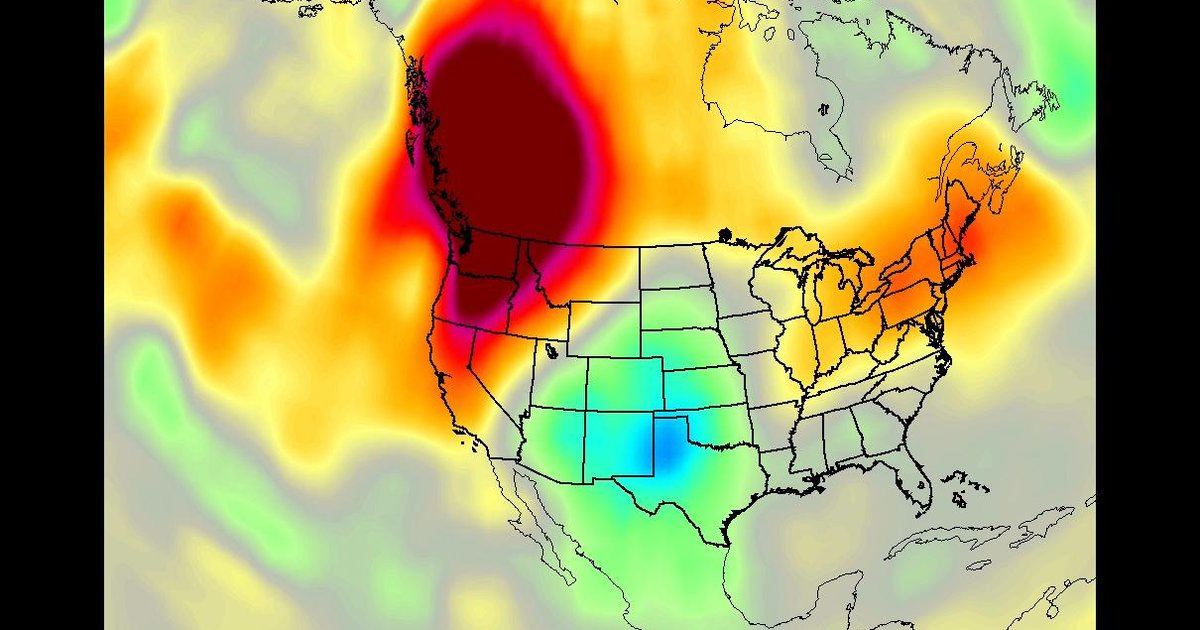
July 2026 broke nearly 3,000 daily temperature records across the United States — 2,608 daily heat records and 350 cold records between July 1 and 28, in our NOAA records database. What makes the month unusual isn't just the count. It's the rhythm: the heat arrived in three separate waves that hit different corners of the country — and the biggest one saved itself for last.
The first wave cooked the East Coast around the Fourth of July weekend, shattering records across Virginia and the Carolinas — many dating to the notorious July 1970 heat wave. A week later a heat dome parked over the northern Plains and pushed eastern Montana to 116°F, breaking a wall of records from 2002. Then, after a mid-month lull, the desert Southwest and the Rockies went off in the final full week: more than a thousand records fell July 22–28, and Phoenix's airport hit a July 24 record of 116.9°F.
Three Heat Waves, Three Corners, Three Eras
Most July heat coverage treats the month as one long slog. The records data tells a sharper story. Plot when and where the daily records fell and they cluster into three tight windows separated by calmer spells — and each window torched a different part of the map, breaking records from a different decade.
Wave one (July 1–7) was an eastern event. Virginia broke 125 daily records; Pennsylvania added 106, North Carolina 96, New York 79 — the heat we covered as it happened in our East Coast heat wave analysis. The detail buried in the data: a remarkable number of the records it broke had stood since 1970. Charlottesville, Virginia hit 107°F on July 4, erasing a 98.9°F mark from July 1970; Staunton, Martinsville and Stuart all toppled 1970 records the same day.
Wave two (July 8–14) was its geographic opposite. A ridge built over the northern Rockies and Great Plains, and Wyoming (139 records) and Montana (119) went off. Where the eastern wave broke 1970 records, this one broke records from 2002 — the benchmark year for extreme heat across eastern Montana. We tracked the peak in our western heat wave coverage.
Wave three (July 22–28) was the biggest of all — 1,024 daily heat records in seven days, more than either earlier wave. This time the desert Southwest joined in: Colorado (137), Montana (121) and Wyoming (116) led again, but Arizona, Nevada and California supplied the month's hottest single readings. July 25 was the most extreme day of the month, with 324 records broken nationwide.
| Virginia | 125 |
| Pennsylvania | 106 |
| North Carolina | 96 |
| New York | 79 |
| West Virginia | 47 |
| New Jersey | 44 |
| Maryland | 43 |
| Ohio | 43 |
| Wyoming | 139 |
| Montana | 119 |
| Colorado | 55 |
| Utah | 37 |
| North Dakota | 35 |
| Minnesota | 29 |
| South Dakota | 24 |
| Florida | 19 |
| Colorado | 137 |
| Montana | 121 |
| Wyoming | 116 |
| Idaho | 89 |
| Utah | 87 |
| Texas | 74 |
| South Dakota | 54 |
| Nebraska | 49 |
Daily high-temperature records broken by state within each window. Source: NOAA GHCN-D daily records, queried July 30, 2026.
The Hottest Readings: Phoenix Reclaims the Crown — but Montana Nearly Beat It
For the first three weeks of July, the single most extreme temperature in our records belonged not to the desert but to eastern Montana — a place better known for blizzards. On July 13, a rural station near Ingomar reached 116.0°F; the day before, Miles City's airport hit 114.9°F, beating its previous July 12 record by a staggering 12 degrees, and Billings climbed to 111°F.
Then the desert answered. On July 24 the airport in Phoenix hit 116.9°F — a July 24 record, edging past the 116.0°F it set in 2023 — and El Centro, California matched it the next day. But the Montana numbers are arguably more remarkable. A 116.9°F day in Phoenix is extreme; a 114.9°F day in Miles City, where the average mid-July high is closer to 90°F, blows past the old record by double digits. The record book for Montana's all-time extremes got a rare rewrite.
| Station | Date | 2026 High | Old Record |
|---|---|---|---|
| Phoenix Sky Harbor AP, AZ | Jul 24 | 116.9°F | 116.0°F (2023) |
| El Centro 2 SSW, CA | Jul 25 | 116.9°F | 116.0°F (2018) |
| Ingomar 9 E, MT | Jul 13 | 116.0°F | 109.0°F (2002) |
| Ajo, AZ | Jul 23 | 116.0°F | 111.9°F (2016) |
| Miles City Airport, MT | Jul 12 | 114.9°F | 102.9°F (2002) |
| Wikieup, AZ | Jul 26 | 114.9°F | 113.0°F (1980) |
| Casa Grande, AZ | Jul 24 | 114.9°F | 114.0°F (2023) |
| Powderville 8 NNE, MT | Jul 12 | 114.0°F | 102.9°F (2002) |
| McCarran Intl (Las Vegas), NV | Jul 24 | 114.0°F | 113.0°F (1996) |
| Terry, MT | Jul 13 | 113.0°F | 102.0°F (2002) |
Highest individual daily high-temperature records set July 1–28, 2026 (stations with 30+ years of history). Source: NOAA GHCN-D daily records, queried July 30, 2026.
The Split-Continent Finale: Record Heat and Record Cold in the Same Week
The strangest thing about July's biggest heat wave is what was happening at the same time on the other side of the country. During that July 22–28 window, while the West set more than a thousand daily heat records, the upper Midwest and Northeast were setting daily cold records — Wisconsin, Pennsylvania, New York, Ohio, Indiana, Illinois and Iowa all logged record lows in the same seven days. We covered that cold outbreak on its own in our July 2026 cold snap analysis.
That isn't a contradiction — it's one weather pattern seen from both ends. A ridge of high pressure strong enough to push the Southwest past 116°F forces the jet stream to buckle, and in late July 2026 it dug a deep trough into the eastern half of the country, dragging cool Canadian air far south. The result: a station-record 116.9°F in Phoenix and July record lows in the Great Lakes in the same week. For the full late-month heat side of that split, see our late-July 2026 heat wave coverage.
The Counter-Story: 350 Cold Records, Led by Alaska and the West Coast
Across the whole month, 350 daily cold records fell even as the heat piled up. Alaska led with 52, followed by Oregon (35) and California (33) — the marine-cooled Pacific coast and the far north spent much of July on the cool side of the same ridges that baked the interior. Late in the month the cold shifted east into the Midwest, producing the split-continent week above.
It's the kind of see-saw we flagged in our summer 2026 outlook and have tied to the developing El Niño: more amplified jet-stream waves mean more places setting records of both kinds in the same stretch.
What It Means for the Rest of Summer
Three things stand out from July 2026. The heat is running hot enough to erase records that survived half a century — the 1970 marks that fell on the East Coast were themselves the product of a legendary heat wave. The extremes keep landing in unexpected places, with eastern Montana nearly out-scorching Phoenix. And the pattern is loading the back half of summer: the same hot, dry interior that set these records is feeding directly into the 2026 US drought, and the year is still on pace in the race for hottest year on record.
We'll add the official NOAA NCEI CONUS ranking once the agency's July report publishes in mid-August. For the all-time context behind these numbers, see every state's hottest July on record. And you can pull the daily high for any US city on any July date — including every day of this month — with our weather-on-this-day lookup on the homepage.
Frequently Asked Questions
How hot was July 2026 in the United States?▾
July 2026 broke nearly 3,000 daily temperature records across the US — 2,608 daily heat records and 350 cold records between July 1 and 28, in our NOAA records data. The heat came in three separate waves: an East Coast event over the July 4th weekend, a northern-Plains heat dome around July 12 that pushed Montana to 116°F, and a late-month Southwest surge (July 22–28) that was the single biggest of the three, with more than 1,000 heat records including a station-record 116.9°F in Phoenix.
What was the hottest temperature recorded in July 2026?▾
The hottest readings in our records were 116.9°F, reached at Phoenix Sky Harbor Airport on July 24 (breaking the airport’s July 24 record of 116.0°F from 2023) and at El Centro, California on July 25. Earlier in the month, a rural station near Ingomar, Montana hit 116.0°F on July 13 — proof that July’s extreme heat was not confined to the desert. The most violent break belonged to Miles City, Montana, which hit 114.9°F on July 12, a full 12°F above its old July 12 record of 102.9°F from 2002.
Which states had the most record heat in July 2026?▾
Wyoming led all states with 297 daily heat records through July 28, followed by Montana (253), Colorado (244), Idaho (153) and Utah (139). The Rockies and northern Plains dominated because they were hit by two of the month’s three heat waves — the mid-month Plains dome and the late-month Southwest-and-Rockies surge. On the East Coast, Virginia (127), Pennsylvania (108) and North Carolina (107) piled up most of their records in the early-July heat wave.
Why were there both heat and cold records in late July 2026?▾
The final full week (July 22–28) was a split-continent event: while the West set more than 1,000 daily heat records, the upper Midwest and Northeast set daily cold records — Wisconsin, Pennsylvania, New York, Ohio, Indiana, Illinois and Iowa all recorded record lows that same week. A strong ridge of high pressure baking the West forced the jet stream to buckle east, pulling unseasonably cool air into the eastern half of the country. We covered that cold outbreak separately in our July 2026 cold snap analysis.