Every State's Hottest July on Record, Ranked
Death Valley's 134°F on July 10, 1913 is the hottest July temperature ever recorded — and the hottest any-month temperature ever measured on Earth. We ranked all 50 states from NOAA data. The surprise: 17 states still hold their July record from the 1930s Dust Bowl.
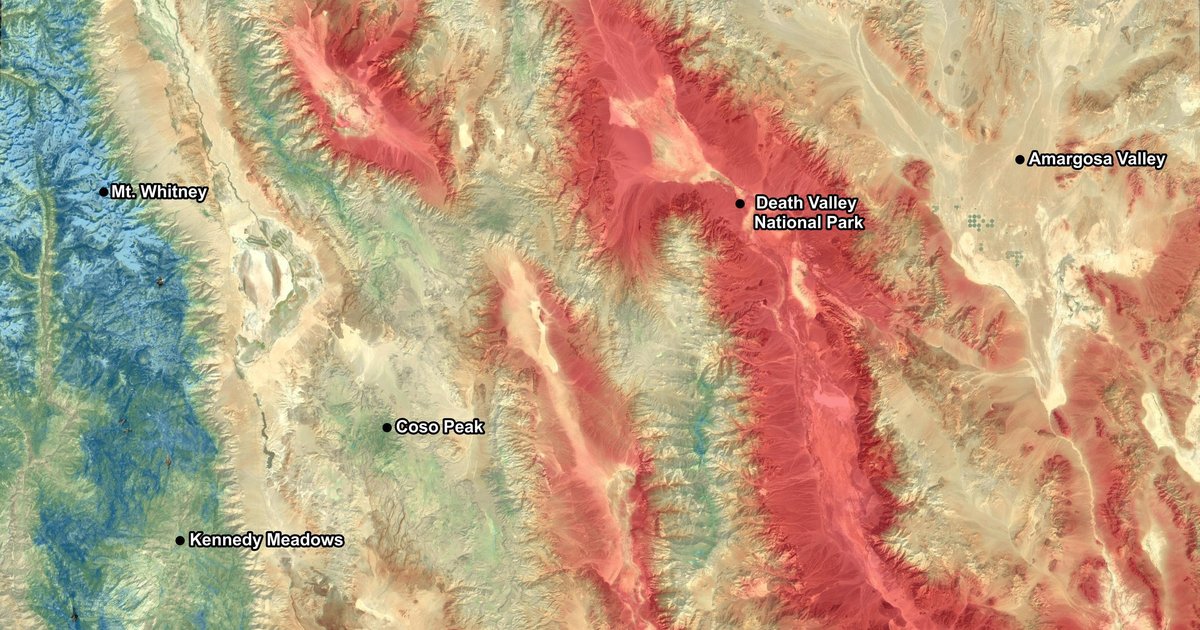
July is the hottest month of the year for most of the United States, and its record book reads very differently from any other month's. Where June's hottest days are almost all modern — 37 of 50 state June records were set after 2010 — July's peaks belong to a different era. 27 of 50 states set their hottest July before 1960, and 17 still hold a record from the Dust Bowl decade of the 1930s.
That's not because July has stopped getting hotter. It's because the bar the 1930s set is so extraordinarily high. The July 1936 heat wave, layered on top of years of drought, produced afternoon temperatures across the Plains and Midwest that modern summers — even with a confirmed 2026 El Niño and record global heat — still rarely touch. When we cross-referenced our July records against each state's all-time all-month ceiling, more than half the states turned out to hold their July record and their all-time record on the same day.
Here's all 50 states ranked, the story behind the 1930s dominance, and how July 2026 — already the source of a 350-record Montana heat dome — is tracking against history.
All 50 States Ranked by Hottest July Temperature
July records from the NOAA GHCN-Daily archive, pulled from our database and validated against each state's official all-time ceiling. Four raw station reads that exceeded their state record (bad data) were corrected to NOAA State Climate Extremes Committee values — see the methodology note below.
| # | State | Temp | Date |
|---|---|---|---|
| 1 | California | 134°F | Jul 10, 1913 |
| 2 | Arizona | 125.9°F | Jul 28, 1995 |
| 3 | Nevada | 123.9°F | Jul 28, 1995 |
| 4 | Kansas | 121°F | Jul 24, 19361930s |
| 5 | North Dakota | 121°F | Jul 6, 19361930s |
| 6 | South Dakota | 120°F | Jul 15, 2006 |
| 7 | Idaho | 118°F | Jul 28, 19341930s |
| 8 | Iowa | 118°F | Jul 20, 19341930s |
| 9 | Missouri | 118°F | Jul 14, 1954 |
| 10 | Texas | 118°F | Jul 9, 2009 |
| 11 | Nebraska | 118°F | Jul 24, 19361930s |
| 12 | Illinois | 117°F | Jul 14, 1954 |
| 13 | Montana | 117°F | Jul 5, 19371930s |
| 14 | Utah | 117°F | Jul 5, 1985 |
| 15 | Oklahoma | 116.9°F | Jul 3, 1980 |
| 16 | Indiana | 116°F | Jul 14, 19361930s |
| 17 | Oregon | 116°F | Jul 5, 2007 |
| 18 | Washington | 116°F | Jul 5, 20152010+ |
| 19 | Colorado | 115°F | Jul 20, 20192010+ |
| 20 | Minnesota | 115°F | Jul 29, 1917 |
| 21 | Mississippi | 115°F | Jul 29, 19301930s |
| 22 | Wyoming | 115°F | Jul 15, 1988 |
| 23 | Arkansas | 114.9°F | Jul 31, 1986 |
| 24 | Kentucky | 114°F | Jul 28, 19301930s |
| 25 | Wisconsin | 114°F | Jul 13, 19361930s |
| 26 | New Mexico | 113°F | Jul 2, 1994 |
| 27 | Ohio | 113°F | Jul 21, 19341930s |
| 28 | Georgia | 112°F | Jul 24, 1952 |
| 29 | Michigan | 112°F | Jul 13, 19361930s |
| 30 | West Virginia | 112°F | Jul 10, 19361930s |
| 31 | Tennessee | 111.9°F | Jul 2, 20122010+ |
| 32 | Pennsylvania | 111°F | Jul 10, 19361930s |
| 33 | South Carolina | 111°F | Jul 1, 20122010+ |
| 34 | Virginia | 110°F | Jul 15, 1954 |
| 35 | Delaware | 110°F | Jul 21, 19301930s |
| 36 | New Jersey | 110°F | Jul 10, 19361930s |
| 37 | Louisiana | 109.9°F | Jul 31, 1998 |
| 38 | Maryland | 109°F | Jul 10, 19361930s |
| 39 | North Carolina | 109°F | Jul 24, 20102010+ |
| 40 | New York | 108°F | Jul 22, 1926 |
| 41 | Alabama | 107.9°F | Jul 17, 1980 |
| 42 | Florida | 107.9°F | Jul 1, 1985 |
| 43 | Vermont | 107°F | Jul 7, 1912 |
| 44 | Connecticut | 106°F | Jul 15, 1995 |
| 45 | New Hampshire | 106°F | Jul 4, 1911 |
| 46 | Massachusetts | 105.9°F | Jul 18, 1982 |
| 47 | Maine | 105°F | Jul 10, 1911 |
| 48 | Rhode Island | 102.9°F | Jul 6, 20102010+ |
| 49 | Hawaii | 100°F | Jul 16, 1997 |
| 50 | Alaska | 98.9°F | Jul 6, 20102010+ |
Rows highlighted: orange = record set in the 1930s Dust Bowl, red = record set 2010 or later. Data from the NOAA GHCN-D archive, queried July 16, 2026.
134°F: The Number That Anchors the List
California's July record isn't just the hottest July temperature in the country — it's the hottest temperature ever reliably recorded anywhere on the planet. On July 10, 1913, the weather station at Greenland Ranch in Death Valley (now Furnace Creek) recorded 134°F during a stretch of five straight days at or above 129°F. The World Meteorological Organization still recognizes it as the world air-temperature record.
That reading has its skeptics — some climatologists argue the 1913 instruments overshot — but it remains the official mark, and Death Valley keeps proving it's at least in the neighborhood. In July 2023 the valley hit 128°F; this month it reached 118.9°F three days running. No other state has ever officially touched 130°F. The gap between California's 134°F and second-place Arizona (125.9°F at Tacna in 1995) is eight full degrees — the largest gap anywhere in the ranking.
The Dust Bowl Still Owns July
Scan the dates in the table and a pattern jumps out that you won't find in June: the 1930s. 17 states — from North Dakota and Nebraska to Indiana, West Virginia, and New Jersey — still hold their hottest-July record from that single decade, most of them from the brutal July 1936 heat wave. Not one of those records has been broken in the 90 years since.
The reason is soil moisture. The Dust Bowl was a multi-year drought that stripped the Plains and Midwest of vegetation and dried the ground to dust. When the sun heats bare, dry soil, nearly all of that energy goes into raising air temperature instead of evaporating water — there's no evaporative cooling to blunt the peak. Layer a strong high-pressure ridge on top, as happened in July 1936, and you get the most extreme continental heat in the American record. Steele, North Dakota hit 121°F. Collegeville, Indiana reached 116°F. These weren't desert stations — they were farm towns.
Why This Matters for the Climate Story
It would be easy to read “most July records are old” as evidence that summers aren't warming. The opposite is true. Average July temperatures have climbed steadily — our city data below shows Atlanta's average July high up 4.2°F since the 1970s. What the 1930s hold is the single-day peak, produced by a rare drought-plus-ridge combination that hasn't recurred at the same intensity. Rising averages and an unbroken 1936 peak coexist because they measure different things.
July vs. June: A Tale of Two Record Books
Putting our June rankings next to July's is one of the clearest illustrations of how differently the two months behave. In June, only Rhode Island's record predates 1980, and 21 states set their June record in the single 2012 heat wave. In July, 27 of 50 records predate 1960 and the 2020s have not yet added a single one.
June: Modern
- • 37 of 50 records set after 2010
- • Only 1 record (RI) predates 1980
- • 21 states peaked in the 2012 heat wave
- • Driven by recent heat domes (2021 PNW, 2025 NE)
July: Historic
- • 27 of 50 records predate 1960
- • 17 records from the 1930s Dust Bowl
- • Zero records set in the 2020s so far
- • Peak set by drought + high-pressure ridge
The takeaway isn't that one month is hotter — July wins almost everywhere on averages. It's that June's extremes are set by the modern climate and July's by a historic drought. If a future summer ever pairs Dust Bowl-scale drought with today's warmer baseline, that's when the 1936 records would finally be in danger.
When July Records Were Set: The Decade Breakdown
Every decade a state set its current hottest-July record. The 1930s tower over everything else — and the 1940s, 1960s, 1970s, and (so far) 2020s produced none at all.
| Decade | States Setting Record |
|---|---|
| 1910s | 5 |
| 1920s | 1 |
| 1930s | 17 |
| 1950s | 4 |
| 1980s | 7 |
| 1990s | 6 |
| 2000s | 3 |
| 2010s | 7 |
The desert Southwest is the exception to the 1930s story: Arizona (1995), Nevada (1995), and New Mexico (1994) set their July records in the 1990s, and California's stands from 1913. In dry-air desert climates, the Dust Bowl offered no advantage — those places are always parched, so their peaks track modern heat instead.
How July Is Warming: City-Level Trends
Single-day records are set by rare events. Averages tell the warming story. Here are average July daily highs at major airport stations, 1970s vs. 2020s, computed from our NOAA archive this month.
Atlanta's 4.2°F jump is the standout — July days that averaged 87.0°F in the 1970s now average 91.1°F. Portland (+3.8°F) and Seattle (+3.1°F) show why the Pacific Northwest, long considered heat-safe, is now the region setting modern records. Even in Phoenix, where afternoons were already brutal, average July highs have climbed 3°F to 109.2°F. For more on which metros are heating fastest, see our analysis of summer warming since 1990.
July 2026 So Far: 1,311 Records in 15 Days
None of the state records above are in immediate danger this month — but July 2026 has still been relentless. Between July 1 and 15, 1,311 daily temperature records fell across US weather stations in our database: 1,165 daily heat records and 146 cold records. The hottest reading in the country belonged, as usual, to Death Valley, which hit 118.9°F on July 9, 10, and 11.
The standout event was a heat dome over the northern Rockies and Plains in mid-July. Ingomar, Montana reached 116°F on July 13 and Miles City hit 114.9°F on July 12 — beating a mark that had stood since 2002. Montana, not the desert Southwest, drove the record count. We broke down that event in detail in our Western heat wave analysis. It's a reminder that the July record book gets rewritten at the margins every summer, even when the 1936 peaks stay untouched.
July 2026 in Context
With the 2026 El Niño now confirmed and NOAA's CPC projecting above-normal heat for a broad swath of the country, more records are likely before the month is out. Whether any all-time state July record falls comes down to whether a stalled ridge finds soil dry enough to match 1936 — a bar that, so far, the modern climate has approached but not cleared.
What the Data Reveals That Other Lists Miss
Four states' records were bad data
Raw station reads had Utah at 127°F, Pennsylvania at 114.9°F, Georgia at 113°F, and Hawaii at 100.9°F for July — each higher than that state has ever officially recorded in any month. We flagged and corrected all four against NOAA's official state records. It's the kind of error that gets copied across the internet when nobody checks the number against a ceiling.
Alaska has been hotter in July than you'd think
Sheep Mountain Lodge recorded 98.9°F on July 6, 2010 — barely a degree short of Alaska's all-time record. Interior Alaska's 20+ hours of July daylight and continental heating can push the thermometer into the high 90s, hotter than a typical July day in San Francisco or Seattle.
The Pacific Northwest sets its records late
Oregon (2007) and Washington (2015) hold the two most recent Western July records outside the desert — a preview of the 2021 heat dome that would rewrite their all-time books in June. When a historically cool region starts setting July records in the 21st century, it signals a real shift.
Frequently Asked Questions
What is the hottest July temperature ever recorded?
Why do so many states still hold their hottest-July record from the 1930s?
How hot has July 2026 gotten so far?
Is July the hottest month for every state?
Which state has the coolest July record high?
Data Sources & Methodology
July monthly temperature records were queried from our Neon database, built on the NOAA GHCN-Daily archive (139M observations). Each state's July record was validated against its all-time all-month ceiling; four rows that exceeded their state's official record (Utah, Pennsylvania, Georgia, Hawaii) were flagged as bad station data and replaced with NOAA State Climate Extremes Committee values. City decade averages were computed from the same archive. The July 2026 record counts come from our daily records-broken pipeline; Death Valley's 118.9°F is from station USC00042319. The 1913 world record is recognized by the WMO. Queries run July 16, 2026.
Explore State Temperature Records
Look Up Historical Weather for Any City
Search 75+ years of temperature records for 327 US cities. See daily highs, lows, and how today compares to the historical record.
Search Weather History