El Niño Hurricane Seasons: Every Season Since 1950, Analyzed
El Niño just arrived, and CSU immediately cut its 2026 hurricane forecast from 13 to 11 storms. But history shows El Niño doesn't always keep hurricanes away — Andrew, Michael, and the devastating 2004 quad-Florida season all happened during El Niño years. Here's what 25 El Niño hurricane seasons actually produced.
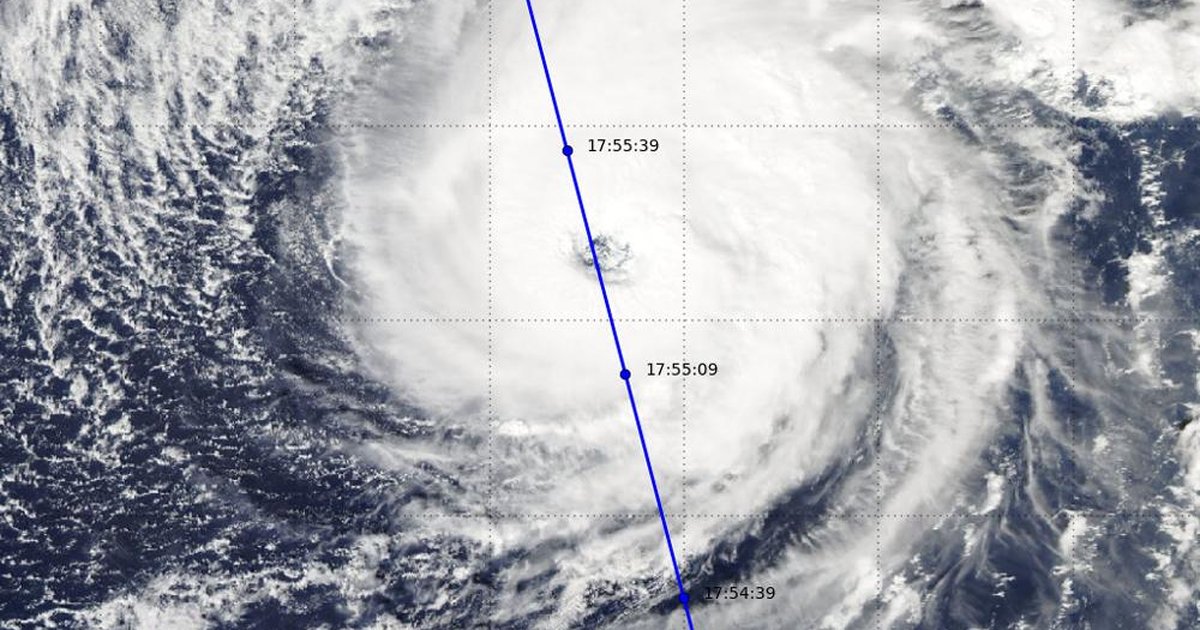
How El Niño Suppresses Hurricanes — and When It Doesn't
The mechanism is straightforward. El Niño warms the central Pacific, which reorganizes atmospheric circulation across the tropics. The result is stronger upper-level westerly winds over the Caribbean and tropical Atlantic — what meteorologists call wind shear. Wind shear tears apart developing thunderstorm clusters before they can organize into tropical cyclones. It's like trying to build a sandcastle in a crosswind.
The data backs this up. Across 25 El Niño Atlantic hurricane seasons since 1950, the average season produced 10.1 named storms and 5.2 hurricanes. That's roughly 35% fewer named storms and 43% fewer hurricanes than La Niña years (15.1 storms, 8.2 hurricanes). Strong and super El Niño events suppress even more — the 1982, 1997, and 2015 super events averaged just 8.3 named storms.
But here's what the simple narrative misses: El Niño reduces the number of storms. It does not cap their intensity. Hurricane Andrew formed during a 7-storm El Niño season and still reached Category 5, destroying 63,000 homes in Homestead, Florida. The 2004 season, technically an El Niño year, produced 15 storms and hit Florida with four hurricanes in six weeks. And 2023's 20-storm season blew past every El Niño precedent because record Atlantic warmth overwhelmed the wind shear.
By the Numbers: El Niño vs. La Niña vs. Neutral
The clearest way to see El Niño's effect is to compare averages across all three ENSO phases since 1950. La Niña produces roughly 60% more named storms than El Niño.
| ENSO Phase | Named Storms | Hurricanes | Major Hurricanes | Avg US Landfalls | Seasons |
|---|---|---|---|---|---|
| El Niño | 9.6 | 4.7 | 1.7 | 0.8 | 25 |
| Neutral | 12.4 | 6.5 | 2.4 | 1.2 | 28 |
| La Niña | 15.1 | 8.2 | 3.5 | 1.7 | 22 |
Source: NOAA NHC HURDAT2 + CPC ENSO ONI classification, 1950–2025. Averages computed across all seasons where the ONI met each phase's threshold during the Jun–Nov hurricane season.
Every El Niño Hurricane Season Since 1950
25 seasons with ENSO strength, storm counts, US landfalls, and the most notable storm from each year. Rows highlighted in red are seasons that defied the suppression narrative.
| Year | Strength | Storms | Hurr. | Major | US Hits | Notable Storm |
|---|---|---|---|---|---|---|
| 1951 | Weak | 10 | 8 | 3 | 0 | Hurricane Charlie (Cat 1, Jamaica) |
| 1953 | Weak | 14 | 6 | 4 | 1 | Hurricane Carol (Cat 3, NC-New England) |
| 1957 | Strong | 8 | 3 | 2 | 1 | Hurricane Audrey (Cat 4, Louisiana — 416 dead) |
| 1963 | Weak | 9 | 7 | 2 | 0 | Hurricane Flora (Cat 4, Cuba — 7,186 dead) |
| 1965 | Moderate | 6 | 4 | 1 | 1 | Hurricane Betsy (Cat 4, Florida-Louisiana) |
| 1969 | Weak | 18 | 12 | 5 | 3 | Hurricane Camille (Cat 5, Mississippi — 256 dead) |
| 1972 | Strong | 7 | 3 | 0 | 1 | Tropical Storm Agnes (Florida, Mid-Atlantic flooding) |
| 1976 | Weak | 10 | 6 | 2 | 0 | Hurricane Belle (Cat 1, Long Island) |
| 1977 | Weak | 6 | 5 | 1 | 1 | Hurricane Anita (Cat 5, Mexico) |
| 1982 | Super | 6 | 2 | 1 | 0 | None notable — weakest season since 1930 |
| 1986 | Weak | 6 | 4 | 0 | 0 | None notable |
| 1987 | Moderate | 7 | 3 | 1 | 0 | Hurricane Emily (Cat 3, Bermuda) |
| 1991 | Moderate | 8 | 4 | 2 | 1 | Hurricane Bob (Cat 3, New England) |
| 1992 | Weak | 7 | 4 | 1 | 1 | Hurricane Andrew (Cat 5, Florida — $27B damage) |
| 1994 | Moderate | 7 | 3 | 0 | 1 | Tropical Storm Alberto (flooding, 30 dead) |
| 1997 | Super | 8 | 3 | 1 | 1 | Hurricane Danny (Cat 1, Alabama) |
| 2002 | Moderate | 12 | 4 | 2 | 1 | Tropical Storm Isidore + Hurricane Lili (Louisiana) |
| 2004 | Weak | 15 | 9 | 6 | 6 | Charley, Frances, Ivan, Jeanne (FL hit 4 times) |
| 2006 | Weak | 10 | 5 | 2 | 0 | None hit US — below-average season |
| 2009 | Moderate | 9 | 3 | 2 | 1 | Tropical Storm Claudette (Alabama) |
| 2014 | Weak | 8 | 6 | 2 | 1 | Hurricane Arthur (Cat 2, North Carolina) |
| 2015 | Super | 11 | 4 | 2 | 0 | Hurricane Joaquin (Cat 4, Bahamas — El Faro sinking) |
| 2018 | Weak | 15 | 8 | 2 | 2 | Hurricane Michael (Cat 5, Florida Panhandle) |
| 2023 | Strong | 20 | 7 | 3 | 1 | Hurricane Idalia (Cat 3, Florida Big Bend) |
| 2025 | Weak | 15 | 7 | 4 | 0 | Hurricane Francesca (Cat 4, open Atlantic) |
| Average | 10.1 | 5.2 | 2.0 | 1.0 | 25 seasons | |
Source: NOAA NHC HURDAT2, CPC Oceanic Niño Index (ONI). Highlighted rows: seasons with ≥14 named storms, ≥100 deaths, or ≥$10B damage — years where El Niño suppression clearly failed. ENSO classification based on Jun–Nov average ONI.
The Dangerous Exceptions: When El Niño Didn't Protect Us
Four El Niño seasons that should permanently retire the phrase “El Niño means a quiet hurricane season.”
Andrew formed in a season with only 7 named storms — but it was the costliest US natural disaster at the time. The 1992 season proves El Niño reduces storm COUNT but has no effect on the intensity of individual storms that do form. One monster hurricane can do more damage than an entire busy season.
2004 had 15 named storms — well above average for an El Niño year. Florida was hit by 4 hurricanes in 6 weeks. El Niño was weak and transitioning, and extremely warm Atlantic SSTs overwhelmed the suppression effect. This season killed the assumption that any El Niño year is automatically "safe."
Michael rapidly intensified from a Category 2 to Category 5 in 24 hours before slamming Mexico Beach, Florida. The season had 15 named storms — again, above the El Niño average. Weak El Niño conditions provided minimal suppression, and Gulf of Mexico temperatures were 2-3°F above normal.
The 2023 season is the biggest El Niño outlier in the modern record: 20 named storms during a strong El Niño. Unprecedented Atlantic warmth (SSTs 1.5°C above normal) overwhelmed El Niño's wind shear. Scientists now warn that climate change may be weakening El Niño's hurricane suppression power.
Does Stronger El Niño Mean Fewer Hurricanes?
The data says mostly yes — with a giant asterisk. The 3 super El Niño seasons (1982, 1997, 2015) averaged 8.3 named storms and 3.0 hurricanes. The 1997 super event produced just 8 named storms total, one of the quietest satellite-era seasons. But 2023 shattered this pattern with 20 named storms during a strong El Niño (ONI +1.9).
What happened in 2023? Record-warm Atlantic sea surface temperatures — about 1.5°C above normal — pumped so much energy into the atmosphere that it overwhelmed El Niño's wind shear. Climate scientists at NOAA's AOML are now studying whether ocean warming driven by climate change is permanently weakening El Niño's hurricane suppression power. If it is, the historical averages in the table above may be less reliable for future forecasting.
The timing of El Niño's arrival also matters enormously. If El Niño peaks early (June–August), it suppresses the heart of hurricane season. If it peaks late (October–November), the most active months of August and September may see near-normal activity. For 2026, most models show El Niño peaking in November — meaning August and September could still produce significant storms despite the overall below-normal forecast.
What This Means for 2026
The CPC officially declared El Niño on June 11, 2026. CSU's June 10 forecast — updated from their April outlook — calls for 11 named storms, 5 hurricanes, and 2 major hurricanes. That's down from 13 storms in their initial forecast, directly because of El Niño's confirmed arrival. NOAA projects a 55% probability of below-normal activity, with hurricane activity expected to be 40% below the long-term average.
Based on the 25 seasons in our table, a strong-to-super El Niño during hurricane season historically produces 8–11 named storms and 3–5 hurricanes. If El Niño strengthens to super levels (ECMWF models project SST anomalies of +3°C by December), the suppression effect should be significant.
The wild card is the same one that broke the pattern in 2023: Atlantic sea surface temperatures. They remain above normal heading into peak season. CSU forecasters have explicitly noted that El Niño's timing will determine how much of the season is suppressed. Don't let a below-normal forecast make you complacent. The 2026 hurricane season is expected to be quieter than average, but “quieter than average” can still include a Category 5.
The Opposite Effect: La Niña Supercharges Hurricanes
If El Niño is a hurricane suppressor, La Niña is an amplifier. La Niña reduces wind shear over the Atlantic, letting tropical cyclones organize and intensify more easily. The results are stark: La Niña seasons average 15.1 named storms vs. El Niño's 9.6. Major hurricanes more than double — 3.5 vs 1.7.
The deadliest seasons in recent memory were La Niña or neutral years: 2005 (Katrina, Rita, Wilma — 28 named storms in a neutral year), 2017 (Harvey, Irma, Maria — La Niña), and 2020 (record 30 named storms, La Niña). These are the seasons that rewrite the record books.
The current El Niño is expected to persist through winter 2026–27, which means the 2027 hurricane season could also see below-normal activity — or, if El Niño fades and La Niña develops, 2027 could rebound sharply. Our 50-state El Niño effects analysis covers the full range of impacts beyond just hurricanes.
Frequently Asked Questions
Does El Niño reduce hurricanes?▼
Can hurricanes still hit during El Niño?▼
What was the worst hurricane during an El Niño year?▼
How many hurricanes are predicted for the 2026 season?▼
Does a strong El Niño suppress hurricanes more than a weak one?▼
Data Sources & Methodology
Hurricane season statistics from NOAA NHC HURDAT2 Atlantic hurricane best-track dataset (1851–2025). ENSO phase classification from the CPC Oceanic Niño Index (ONI), based on 3-month running mean of ERSST.v5 SST anomalies in the Niño 3.4 region. A season is classified as El Niño if the ONI was ≥0.5°C for the majority of the June–November hurricane season. Strength categories: weak (0.5–0.9°C), moderate (1.0–1.4°C), strong (1.5–1.9°C), super (≥2.0°C). US landfall counts include tropical storm and hurricane landfalls on the continental United States. Damage estimates from NOAA NCEI billion-dollar disasters database and NHC Tropical Cyclone Reports. ENSO comparison averages computed across all classified seasons 1950–2025. 2026 forecast data from CSU Tropical Meteorology Project (June 10, 2026 update) and NOAA Climate Prediction Center (May 22, 2026 outlook).
Related Analysis
Explore Hurricane History
Browse detailed profiles of every major US hurricane, with HURDAT2 track data, impact analysis, and historical weather context.
Browse Hurricane Database